
Skip to content
  • Finnish Government
    • Prime Minister's Office
    • Ministry of Defence
    • Ministry of Transport and Communications
    • Ministry for Foreign Affairs
    • Ministry of Finance
    • Ministry of Economic Affairs and Employment
    • Ministry of Justice
    • Ministry of Education and Culture
    • Ministry of Social Affairs and Health
    • Ministry of the Interior
    • Ministry of Agriculture and Forestry
    • Ministry of the Environment

Valitse kieli:

This page is in Finnish. Go to the English site »

Or choose language:

Den här sidan är på finska. Gå till den svenska versionen av sidan »

Eller välj språk:

Dát siidu lea suomagillii Sirdás davvisámegielat siidduide »

Dehe vállje giela:

Taat sijđo lii suomâkielân Sirduu anarâškielâlijd sijđoid »

Tâi valjii kielâ:

Tät seidd lij lääʹddǩiõʹlle Sirddu lääʹddǩiõllsaž seiddõʹsse »

Leʹbe vaʹlljed ǩiõl:

Язык этого сайта финский. Перейти на русскоязычный сайт »

Или выберите язык:

Cette page est en finnois. Aller sur le site en français »

Ou choisir la langue:

Diese Seite ist auf Finnisch. Wechseln Sie zur deutschen Version »

Oder wählen Sie Ihre Sprache:

Tämä sivu on englanniksi. Siirry suomenkieliseen sivustoon »

Tai valitse kieli:

Choose language:

Den här sidan är på engelska. Gå till den svenska versionen av sidan »

Eller välj språk:

Dát siidu lea eŋgelasgillii Sirdás davvisámegielat siidduide »

Dehe vállje giela:

Taat sijđo lii eŋgâlâskielân Sirduu anarâškielâlijd sijđoid »

Tâi valjii kielâ:

Tät seidd lij eŋgglõsǩiõʹlle Sirddu lääʹddǩiõllsaž seiddõʹsse »

Leʹbe vaʹlljed ǩiõl:

Язык этого сайта английский. Перейти на русскоязычный сайт »

Или выберите язык:

Cette page est en anglais. Aller sur le site en français »

Ou choisir la langue:

Diese Seite ist auf Englisch. Wechseln Sie zur deutschen Version »

Oder wählen Sie Ihre Sprache:

Tämä sivu on ruotsiksi. Siirry suomenkieliseen sivustoon »

Tai valitse kieli:

This page is in Swedish. Go to the English site »

Or choose language:

Välj språk:

Dát siidu lea ruoŧagillii Sirdás davvisámegielat siidduide »

Dehe vállje giela:

Taat sijđo lii ruotâkielân Sirduu anarâškielâlijd sijđoid »

Tâi valjii kielâ:

Tät seidd lij ruõccǩiõʹlle Sirddu lääʹddǩiõllsaž seiddõʹsse »

Leʹbe vaʹlljed ǩiõl:

Язык этого сайта шведский. Перейти на русскоязычный сайт »

Или выберите язык:

Cette page est en suédois. Aller sur le site en français »

Ou choisir la langue:

Diese Seite ist auf Schwedisch. Wechseln Sie zur deutschen Version »

Oder wählen Sie Ihre Sprache:

Tämä sivu on pohjois-saameksi. Siirry suomenkieliseen sivustoon »

Tai valitse kieli:

This page is in North Saami. Go to the English site »

Or choose language:

Den här sidan är på nordsamiska. Gå till den svenska versionen av sidan »

Eller välj språk:

Vállje giela:

Taat sijđo lii tavesämikielân Sirduu anarâškielâlijd sijđoid »

Tâi valjii kielâ:

Tät seidd lij tâʹvvsääʹmǩiõʹlle Sirddu lääʹddǩiõllsaž seiddõʹsse »

Leʹbe vaʹlljed ǩiõl:

Язык этого сайта северосаамский. Перейти на русскоязычный сайт »

Или выберите язык:

Cette page est en same du Nord. Aller sur le site en français »

Ou choisir la langue:

Diese Seite ist auf Nordsamisch. Wechseln Sie zur deutschen Version »

Oder wählen Sie Ihre Sprache:

Tämä sivu on inarinsaameksi. Siirry suomenkieliseen sivustoon »

Tai valitse kieli:

This page is in Inari Sámi. Go to the English site »

Or choose language:

Den här sidan är på enaresamiska. Gå till den svenska versionen av sidan »

Eller välj språk:

Dát siidu lea anárašgillii Sirdás davvisámegielat siidduide »

Dehe vállje giela:

Valjii kielâ:

Tät seidd lij aanarsääʹmǩiõʹlle Sirddu lääʹddǩiõllsaž seiddõʹsse »

Leʹbe vaʹlljed ǩiõl:

Язык этого сайта инари-саамский. Перейти на русскоязычный сайт »

Или выберите язык:

Cette page est en sami inari. Aller sur le site en français »

Ou choisir la langue:

Diese Seite ist auf Inari Sámi. Wechseln Sie zur deutschen Version »

Oder wählen Sie Ihre Sprache:

Tämä sivu on koltansaameksi. Siirry suomenkieliseen sivustoon »

Tai valitse kieli:

This page is in Skolt Sámi. Go to the English site »

Or choose language:

Den här sidan är på skoltsamiska. Gå till den svenska versionen av sidan »

Eller välj språk:

Dát siidu lea nuortalašgillii Sirdás davvisámegielat siidduide »

Dehe vállje giela:

Taat sijđo lii nuorttâlâškielân Sirduu anarâškielâlijd sijđoid »

Tâi valjii kielâ:

Vaʹlljed ǩiõl:

Язык этого сайта скольт-саамский. Перейти на русскоязычный сайт »

Или выберите язык:

Cette page est en sámi skolt. Aller sur le site en français »

Ou choisir la langue:

Diese Seite ist auf Skolt Sámi. Wechseln Sie zur deutschen Version »

Oder wählen Sie Ihre Sprache:

Tämä sivu on venäjäksi. Siirry suomenkieliseen sivustoon »

Tai valitse kieli:

This page is in Russian. Go to the English site »

Or choose language:

Den här sidan är på ryska. Gå till den svenska versionen av sidan »

Eller välj språk:

Dát siidu lea ruoššagillii Sirdás davvisámegielat siidduide »

Dehe vállje giela:

Taat sijđo lii ruošâkielân Sirduu anarâškielâlijd sijđoid »

Tâi valjii kielâ:

Tät seidd lij ruõššǩiõʹlle Sirddu lääʹddǩiõllsaž seiddõʹsse »

Leʹbe vaʹlljed ǩiõl:

выберите язык:

Cette page est en russe. Aller sur le site en français »

Ou choisir la langue:

Diese Seite ist auf Russisch. Wechseln Sie zur deutschen Version »

Oder wählen Sie Ihre Sprache:

Tämä sivu on ranskaksi. Siirry suomenkieliseen sivustoon »

Tai valitse kieli:

This page is in French. Go to the English site »

Or choose language:

Den här sidan är på franska. Gå till den svenska versionen av sidan »

Eller välj språk:

Dát siidu lea fránskkagillii Sirdás davvisámegielat siidduide »

Dehe vállje giela:

Taat sijđo lii ranskakielân Sirduu anarâškielâlijd sijđoid »

Tâi valjii kielâ:

Tät seidd lij fraansk-ǩiõʹlle Sirddu lääʹddǩiõllsaž seiddõʹsse »

Leʹbe vaʹlljed ǩiõl:

Язык этого сайта французский. Перейти на русскоязычный сайт »

Или выберите язык:

Choisir la langue:

Diese Seite ist auf Französisch. Wechseln Sie zur deutschen Version »

Oder wählen Sie Ihre Sprache:

Tämä sivu on saksaksi. Siirry suomenkieliseen sivustoon »

Tai valitse kieli:

This page is in German. Go to the English site »

Or choose language:

Den här sidan är på tyska. Gå till den svenska versionen av sidan »

Eller välj språk:

Dát siidu lea duiskkagillii Sirdás davvisámegielat siidduide »

Dehe vállje giela:

Taat sijđo lii saksakielân Sirduu anarâškielâlijd sijđoid »

Tâi valjii kielâ:

Tät seidd lij saksslaǩiõʹlle Sirddu lääʹddǩiõllsaž seiddõʹsse »

Leʹbe vaʹlljed ǩiõl:

Язык этого сайта немецкий. Перейти на русскоязычный сайт »

Или выберите язык:

Cette page est en allemand. Aller sur le site en français »

Ou choisir la langue:

Wählen Sie Ihre Sprache:

  • Valitse kieli Suomi
  • Välj språket Svenska
  • Select language English
Media
Valtiovarainministeriö frontpage
Navigation
  • Frontpage
  • Areas of expertise
    • Economic Policy Budget, EU, international affairs
    • Economic Prospects Forecasts
    • Taxation Tax system and preparation
    • Financial Markets Stable and well functioning markets
    • Governance Policy Public management and structures
    • Local Government Affairs Finance, structures and cooperation
    • Wellbeing Services Counties Duties, other activieties and finances
    • Public Sector ICT Information policy and steering
    • Government as Employer Personnel and employer activity
  • Current issues
  • Projects and legislation
  • Publications
  • Ministry
  • Contact information
  • News archive
  • Russian Attack on Ukraine
  • Sustainable Growth Programme for Finland
  • Sign up for news
suomiLue artikkeli suomeksi svenskaLäs artikeln på svenska English

Webinar on the rights and service provision of indigenous people with disabilities and dementia
Ministry of Social Affairs and Health
Publication date 31.8.2021 8.43
Type:News item

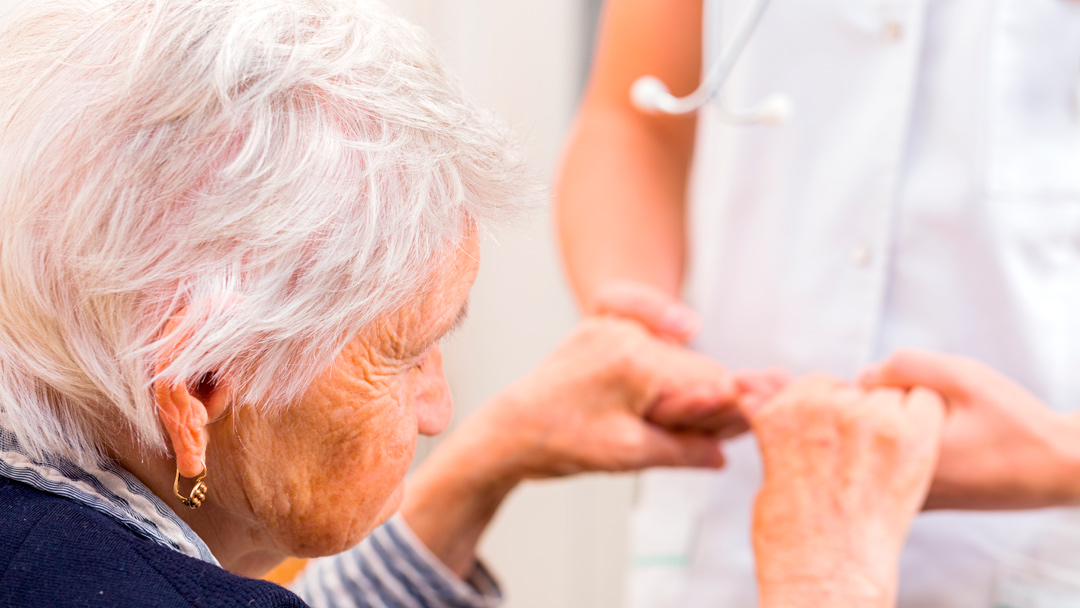
As part of Finland's Presidency of the Nordic Council of Ministers, a webinar will be held from 31 August to 1 September that will focus on the rights of indigenous people with disabilities and diseases causing memory loss, and on the provision of linguistically and culturally sensitive services. The webinar seeks to raise awareness of rights, and share experiences to develop services.

Equal human rights for all

The purpose of the UN Convention on the Rights of Persons with Disabilities is to promote, protect and ensure the full and equal enjoyment of all human rights and fundamental freedoms by all persons with disabilities. The main principles of the Convention are non-discrimination, inclusion and accessibility. The Convention emphasises the involvement of persons with disabilities in all decision-making concerning them. The obligation of the signatories to involve organisations of persons with disabilities also covers indigenous people with disabilities.

The rights of people with disabilities, people with diseases causing memory loss, and indigenous people are often treated separately. One important aspect of the webinar is intersectionality, in other words, how a combination of different factors affects the position and circumstances of the individual. 

One of the webinar’s main speakers is the UN Special Rapporteur on the rights of persons with disabilities, Gerard Quinn.

‘When the CRPD was drafted, there was insufficient awareness of the situation and rights of indigenous persons with disabilities. However, unlike many previous treaties, the drafters did manage to open some small windows onto intersectional dimensions of disability discrimination – windows that have grown through time in the practice of the CRPD Committee. The time is right – if not long overdue – to give a much fuller consideration of the accumulated disadvantages that affect indigenous persons with disabilities,’ Quinn says, and continues:

‘More positively, now is the right time to value culture and the individual and overlapping identities of indigenous peoples. I have often said that the image of the person in the CRPD is that of the 'social self' and that belonging is just as important a goal as inclusion. That being so, the special connectedness between people and place, the heightened respect for nature and its bounty and the wisdom that indigenous cultures have developed over the centuries are assets for all humankind, as we try to develop a more sustainable future for all.’ 

Rights of Sámi persons with disabilities and diseases causing memory loss

The UN Convention on the Rights of Persons with Disabilities guarantees that those with disabilities should have the right to live independently as part of the community. In additional to making basic services available to persons with disabilities, the service provision must include personalised special services, according to requirement.

When assessing the needs of assistance and support for people with disabilities and older people and planning such services, it is important to take the specific characteristics of Sámi culture into account. 

The Ministry of Social Affairs and Health is currently reforming the laws on services both for people with disabilities and for older people. People's involvement in their own lives and related decision-making, having the ability to live a life on one’s own terms despite functional constraints, and ensuring provision of services that meet individual needs, all represent the starting points for both projects. These aspects must also be realised for Sámi people with disabilities and diseases causing memory loss.

‘Both in the preparation of legislation and in its implementation, attention must be paid to the rights of the Sámi people, precisely because they involve specific linguistic and cultural characteristics,’ says Jaana Huhta, Senior Ministerial Adviser at the Ministry of Social Affairs and Health.

The webinar will be organised in cooperation between the Nordic Dementia Network under the Nordic Welfare Centre and the Council of Nordic Cooperation on Disability. Other organisers are the Ministry of Social Affairs and Health, the Finnish Institute for Health and Welfare, the Sámi Parliament in Finland, Sámisoster, the Advisory Board on the Rights of Persons with Disabilities (VANE), and the Human Rights Centre.

The webinar is open to anyone interested, but participants are asked to register for the event. The language of the webinar is English, and the webinar will be interpreted into North Sámi.

Registration and event programme:
Indigenous peoples: language, culture, and life cycle (Nordic Welfare Centre)

Inquiries:

Tea Hoffrén, Senior Specialist, Ministry of Social Affairs and Health, [email protected]
Jaana Huhta, Senior Ministerial Adviser, Ministry of Social Affairs and Health, [email protected]

Read more:
UN Convention on the Rights of Persons with Disabilities 

Nordic cooperation indigenous peoples memory loss diseases prosperity senior citizens

See also

Nordic ministers for digitalisation move digital integration forward in the Nordic and Baltic countries

Type:Press release Publication date:6.11.2025 14.14

Nordic and Baltic ministers for digitalisation meet in Tampere

Type:Press release Publication date:5.11.2025 14.00
Valtiovarainministeriö frontpage Valtiovarainministeriö

Snellmaninkatu 1 A, Helsinki PO Box 28

FI-00023 Government, Finland

Tel. +358 295 16001

About the site

Data protection

Accessibility statement

Sitemap

Questions and feedback

  • Frontpage
  • Areas of expertise
    • Economic Policy
      • Starting points for economic policy
        • General government finances
        • Economic framework
        • Fiscal policy
        • Structural policy
      • Spending limits in central government finances and the budget
        • Central government spending limits
        • The budget
      • EU and the economy
        • European Semester
        • Fiscal rules
        • Budget
      • Assessment and monitoring of central government finances
        • Credit Ratings
        • International comparison of the Finnish economy
      • International Financial Affairs
        • Coalition for Climate Action
      • Discretionary government grants
    • Economic Prospects
      • Economic forecasts
        • Data on contingent liabilities
        • Revenue Working Group
        • Economic trends in construction
      • Descriptions of methods
      • Economic analyses
    • Taxation
      • Tax system
      • Personal taxation
        • Taxation of earned income
        • Taxation of capital income
        • Taxation at source on interest
        • Taxation of inheritance and gifts
        • Taxation of asset transfers
      • Business taxation
      • International income taxation
        • Co-operation in international taxation
        • Tax agreements
      • Real estate taxation
      • Value Added Tax
        • Tax on Insurance Premiums
      • Excise Duty
      • Road transport taxation
      • Customs
      • Tax expenditures
    • Financial Markets
      • Regulation of financial markets
        • Sanctions in the financial markets
        • New financial technologies
      • Stability and supervision
      • Government financial policy
      • Preventing money laundering and terrorist financing
        • Prevention
        • Legislation
    • Governance Policy
      • Openess, trust and ethics
      • Core principles and future of governance policy
        • Futures work and evaluations of governance policy
        • International activities
        • Proactive governance through anticipatory innovation
      • Public Service Leadership
        • Shared values and principles for public service leadership
        • Joint development and events
        • Position and service relationships of senior management
        • Leaders selection and career management
        • Preconditions for succeeding
        • Evidence-based management
        • Support for the senior management in central government
      • Structures, guidance and direction of administration
        • Central government
        • Municipal administration
        • Systems for guidance and direction
      • Management and steering of central government finances
        • Central government financial administration
      • Public services
      • Internal control and risk management
      • Shared government services
        • State properties
        • Government procurement
        • Financial and HR services
        • Education and training services
      • Public sector innovations
    • Local Government Affairs
      • Legislation on municipalities
        • Municipal structure
        • Local government employees
      • Local government’s duties and activities
        • Cooperation between the state and the municipalities
          • Advisory Committee on Local Government Finances and Administration
          • Evaluation of basic services
        • International cooperation
      • Local government finances
    • Wellbeing Services Counties
      • Duties and other activities
        • Wellbeing services counties
        • Cooperation
        • Decision-making
        • Guidance
        • Opportunities to influence and participate
      • Finances of the wellbeing services counties
        • Funding
        • Additional funding
        • Budget and financial plan
        • Investments
      • Negotiations with wellbeing services counties
    • Public Sector ICT
      • Digitalisation
        • Digital services
        • Artificial intelligence and robotisation
          • Guidelines on using generative artificial intelligence to support and assist work in public administration
        • Digitalising and automating life and business events
          • Programme to promote life event based digitalisation
            • Questions and answers regarding life event based digitalisation
          • Easing the management of the affairs of a deceased relative
            • Frequently asked questions about the programme to ease the management of the affairs of a deceased relative
        • Priority of digital communications by public authorities
      • Information policy and steering
        • Information management map of public administration
        • Information policy report
        • Open data
        • Architectures
        • Project on redesigning the system of personal identity codes
        • Government policy programmes
          • Opening up and using public data
        • Steering of information management in public administration
          • Advisory boards on information management in public administration
        • Ethical Guidelines for AI in Public Administration
        • Interoperable Europe
      • Information security and cybersecurity
      • International cooperation on digitalisation and ICT
      • Information Management Board
    • Government as Employer
      • Collective Bargaining
        • Industrial peace
        • Agency-level collective bargaining 
        • Local union representatives
        • Occupational health and safety 
        • Cooperation
      • General collective agreements for government 
      • Terms and conditions of employment relationship
        • Pay, incentive schemes
          • Pay system in central government
          • Performance-related pay
          • Employees' mutual funds
        • Working hours
        • Annual leave
        • Official journeys
        • Absence
        • Benefits in kind
        • Occupational health care
      • Guidelines and regulations
      • Civil service law
      • Values and civil service ethics
        • Advisory Body on Civil Service Ethics
      • Support for personnel management
        • Central Government Human Resources Strategy
        • Personnel planning
        • Multi-location working in central government
        • Recruitment
        • Competence development
        • Personnel rotation and exchanges of public officials
        • Equality and equity
        • Tools and methods
        • Central government medals of merit for public officials
      • State personnel as statistics
  • Current issues
    • News archive
    • Russian Attack on Ukraine
    • Sustainable Growth Programme for Finland
      • Finland’s Recovery and Resilience Plan
        • Green transition
        • Digitalisation
        • Employment and skills
        • Health and social services
        • REPowerEU
      • Process
    • Sign up for news
  • Projects and legislation
    • Coordinating services and premises
      • Reshaping of regionalisation
      • Renewal of central government’s service and premises network in 2020s
        • Frequently asked questions about the renewal of the services and premises network
        • Regional progress of the reform
    • Project to implement the reformed eIDAS Regulation nationally
      • European Digital Identity Wallet
        • Questions and answers about the European wallet application
        • Piloting European Digital Identity Wallet
    • ProcurFinland – making public procurement more effective
      • National Public Procurement Data Repository
    • Coordination Group for Digitalisation
      • Advisory boards
      • Digital statutes in the EU
    • Development of internal control and risk management
    • Opening up and using public data
    • Project to implement the gambling system reform
    • Reform of regional state administration
  • Publications
    • Web publications
      • Economic Survey, Autumn 2025
      • Economic Survey Winter 2025
  • Ministry
    • Task and objectives
    • Management and organisation
      • Ministers
        • Minister of Finance
        • Minister of Local and Regional Government
        • Minister of Economic Affairs
      • Management
      • Departments
    • Boards
      • Finnish Productivity Board
        • Board members
    • Ministry of Finance's branch of government
      • Agencies
      • State-owned companies and unincorporated State enterprises
      • Funds
    • Whistleblower protection
    • Ministry as a workplace
    • History
  • Contact information
    • Contact information and visiting address
    • Personnel search
    • Media and Communications Unit

Contact